













![Brewed Awakening: Your Ultimate Guide to the Best Cafés in [City]](https://cdn.pixabay.com/photo/2018/07/14/15/27/cafe-3537801_960_720.jpg "Brewed Awakening: Your Ultimate Guide to the Best Cafés in [City]")


This year presents a feast of exciting culinary trends that reflect a melding of innovation, sustainability, and global influences. As eating habits evolve, so too do the ingredients and methods we use to prepare our meals. Let’s dive into 2023’s top food trends that are sure to tantalize taste buds and promote a healthier planet.
1. Plant-Based Everything
In recent years, the plant-based movement has gained considerable momentum, and this year is no exception. Foods once reserved for vegans are now making their way into mainstream diets, thanks to innovations in food technology.
- Meat Alternatives: Products like Beyond Meat and Impossible Foods are no longer just alternative options; they’re being embraced by meat lovers for their taste and texture. Expect to see more sophisticated offerings, including plant-based seafood that satisfies both cravings and ethical considerations.
- Plant-Powered Snacking: Snack bars and chips made from ingredients like chickpeas, lentils, and other legumes promise not just better nutrition but also unique flavors and crunch.
2. Functional Foods
In our fast-paced lives, foods that offer health benefits beyond basic nutrition are increasingly popular. Functional foods, which may contain probiotics, adaptogens, or superfoods, are a key focus this year.
- Probiotic-Rich Foods: Yogurt, kimchi, and kefir are just the tip of the iceberg. Expect to see a rise in fermented options infused with various flavors that cater to health-conscious consumers.
- Superfoods: Ingredients like spirulina, moringa, and elderberry are gaining traction in not just smoothies but also functional snacks and drinks.
According to a recent report by the International Food Information Council, 70% of consumers are interested in functional foods that contribute to overall wellness.
3. Global Flavors at Home
As food enthusiasts become more adventurous, global flavors are not just reserved for restaurants. Consumers want to bring international cuisines into their own kitchens, inspiring a renaissance of cooking at home.
- Spices from Far and Wide: Ingredients like za’atar, sumac, and harissa will become staples as home cooks explore Middle Eastern cuisine. Dishes that integrate these spices, such as warm grain salads or marinated meats, are bound to surface.
- Regional Asian Flavors: Beyond sushi and Thai curry, expect to see more emphasis on lesser-known Asian cuisines—like Filipino adobo, Indian dosa, and Korean bibimbap—widely incorporated into meal planning.
4. Transparency and Ethical Sourcing
In recent years, consumers have grown increasingly aware of where their food comes from. This year, that trend continues with a heightened focus on transparency in sourcing.
- Sustainable Seafood: People are seeking out sustainably caught fish and seafood. Certifications like Marine Stewardship Council (MSC) are becoming non-negotiable must-haves for conscious consumers.
- Farm-to-Table: This concept has evolved into “farm-to-fork,” with restaurants offering more detailed information about local farms and producers that supply their ingredients.
Research indicates that 86% of consumers are willing to pay more for sustainable products, marking a significant shift in consumer behavior.
5. Zero-Waste Cooking
With climate change as an ever-present concern, zero-waste cooking is not just a trend but a necessary shift in our culinary practices. Chefs and home cooks alike are finding innovative ways to reduce food waste.
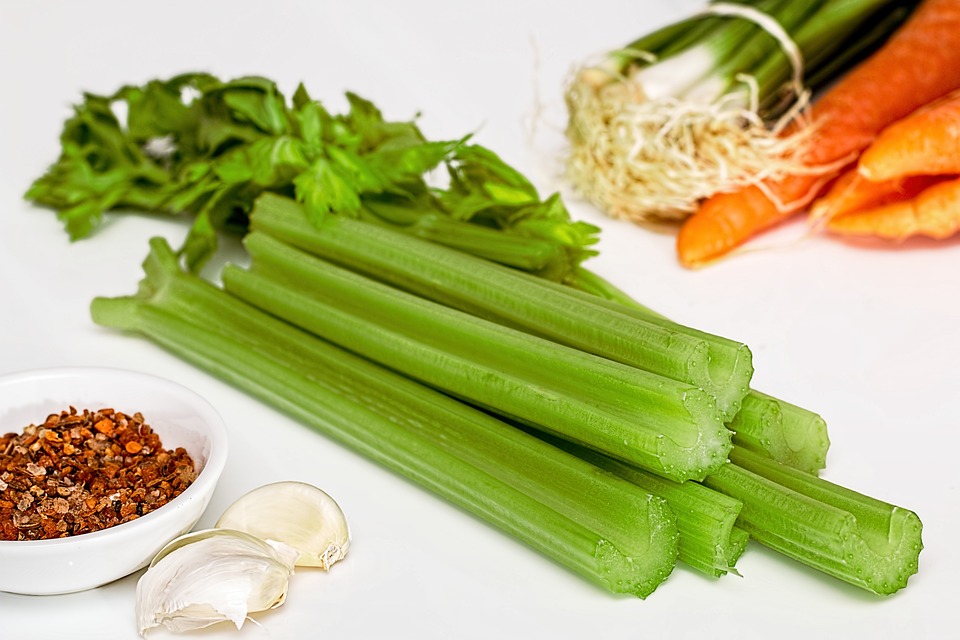
- Creative Uses: From using vegetable scraps for stocks to turning stale bread into croutons, the focus is on maximizing every ingredient. Expect cookbooks and online resources dedicated to zero-waste cooking to proliferate.
- Pickling and Fermenting: Preservation techniques are being reintroduced, with many seeing them as a sustainable way to extend the life of produce.
Conclusion
This year, the culinary landscape is ripe with innovation. From plant-based alternatives to zero-waste cooking, food trends reflect a growing consciousness around health, sustainability, and cultural appreciation. So as we venture into this exciting year, let’s not just savor our meals but also consider their impact on our health and the planet.
Food enthusiasts and casual eaters alike have the opportunity to embrace these trends, making mindful choices that enrich their lives and the environment. Get ready to indulge your palate while helping to shape the future of our food systems!
- comfort food trends
- creative food trends
- food trend 2026
- food trend blogs
- food trend dishes
- food trend guides
- food trend highlights
- food trend ideas
- food trend innovations
- food trend inspiration
- food trend photography
- food trend recipes
- food trend reviews
- food trend snacks
- food trend styling
- food trend tips
- food trend videos
- food trends
- food trends for Instagram
- food trends worldwide
- foodie trends
- healthy food trends
- Instagram-worthy meals
- international food trends
- new food trends
- plant-based food trends
- popular foods
- street food trends
- trending foods
- viral snacks





Leave a comment