












![Brewed Awakening: Your Ultimate Guide to the Best Cafés in [City]](https://cdn.pixabay.com/photo/2018/07/14/15/27/cafe-3537801_960_720.jpg "Brewed Awakening: Your Ultimate Guide to the Best Cafés in [City]")


Cooking is an art, a science, and a rite of passage for many. For beginners, stepping into the kitchen can often feel intimidating. However, with the right knowledge and mindset, anyone can become a culinary maestro. In this ultimate beginner’s guide, we’ll explore essential skills, fundamental techniques, and simple recipes that will not only boost your confidence but also ignite a passion for cooking that can last a lifetime.
The Essential Culinary Skills
Before diving into recipes, it’s crucial to develop some foundational skills. Here are the primary skills every beginner should master:
1. Knife Skills
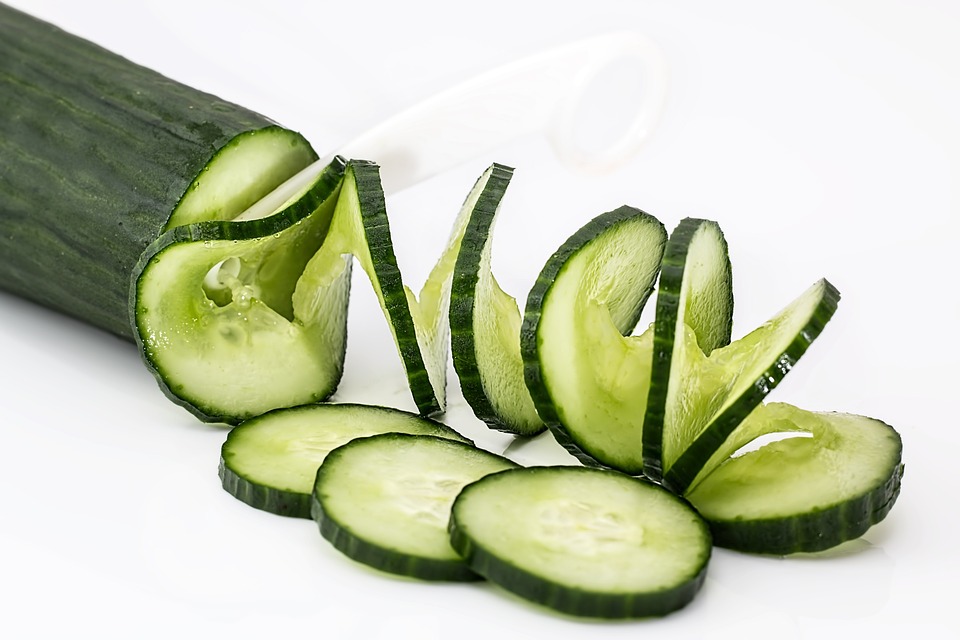
Learning to use a knife properly can significantly enhance your efficiency in the kitchen. Start by familiarizing yourself with the basic knife types—chef’s knife, paring knife, and serrated knife. Practice techniques like the claw grip for safety and the rocking motion for slicing. Understanding how to dice, chop, and mince various ingredients will elevate your cooking.
2. Cooking Techniques
Understanding primary cooking techniques like sautéing, boiling, roasting, and baking is essential. Each method affects flavor and texture, so become comfortable with them. For instance, sautéing vegetables preserves their vibrant colors and nutrition, while roasting brings out their natural sweetness.
3. Seasoning
Mastering seasoning can transform ordinary dishes into extraordinary ones. Salt is your best friend; it enhances flavors significantly. Experiment with herbs and spices—start with the basics like black pepper, garlic powder, and dried herbs. Taste as you go to learn how different seasonings affect your dish.
Understanding Ingredients
The foundation of great cooking lies in the quality of ingredients. Here’s a closer look at essential components.
1. Fresh Produce
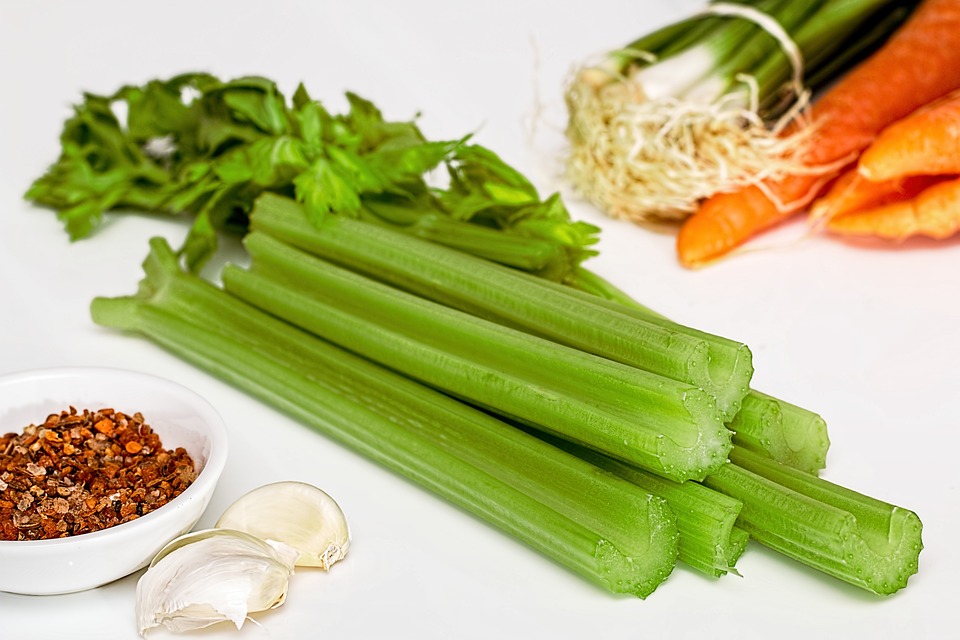
Investing in fresh vegetables and fruits is crucial. They not only add flavor but also pack nutrients. Learn the seasonal availability of different produce to enjoy them at their peak.
2. Proteins
Understanding different types of proteins—chicken, beef, fish, and plant-based options—helps in creating a diverse meal plan. Familiarize yourself with cooking times and temperatures to ensure safety and flavor. For instance, chicken is safe to eat at 165°F (75°C).
3. Grains and Pasta
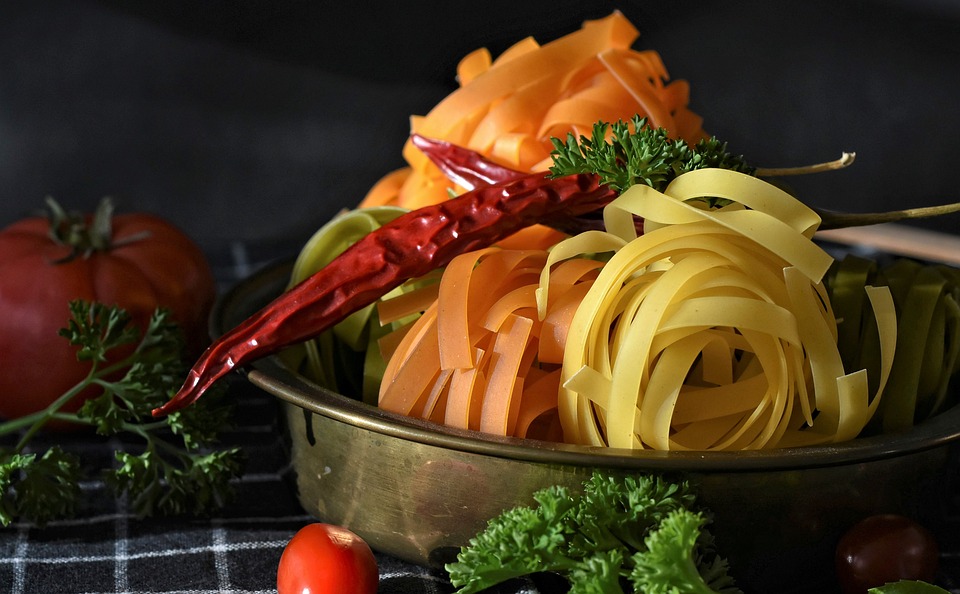
Grains and pasta are versatile staples in many cuisines. Learn how to cook rice and pasta perfectly. A good rule of thumb is to use twice as much water as rice and to salt pasta water generously to enhance flavor.
Simple Recipes to Get You Started
With your skills and ingredient knowledge in hand, it’s time to roll up your sleeves and cook! Here are three easy recipes that are perfect for beginners:
1. Vegetable Stir-Fry
This dish is not only quick but also a great way to use up any leftover veggies.
Ingredients:

- 2 cups mixed vegetables (bell peppers, broccoli, carrots)

- 2 tablespoons olive oil

- 2 cloves garlic, minced

- Soy sauce to taste

- Cooked rice for serving
Instructions:

1. Heat olive oil in a pan over medium-high heat.

2. Add garlic and sauté for 1 minute.

3. Toss in the mixed vegetables and stir-fry for about 5-7 minutes.

4. Add soy sauce and mix well.

5. Serve hot over cooked rice.
2. One-Pan Chicken and Veggies
A wholesome meal with minimal cleanup!
Ingredients:

- 4 chicken thighs

- 2 cups assorted vegetables (zucchini, potatoes, carrots)

- 3 tablespoons olive oil

- Salt and pepper

- Dried herbs (thyme or rosemary)
Instructions:

1. Preheat the oven to 400°F (200°C).

2. In a bowl, coat the chicken and vegetables with olive oil, salt, pepper, and herbs.

3. Spread on a baking sheet and bake for 30-35 minutes until the chicken is cooked through.

4. Serve warm.
3. Basic Omelette
A versatile breakfast option that can be customized.
Ingredients:

- 3 eggs

- Salt and pepper

- Fillings: cheese, tomatoes, spinach (optional)
Instructions:

1. Whisk the eggs with salt and pepper in a bowl.

2. Heat a non-stick pan and pour in the eggs.

3. Cook over low heat, gently pushing the cooked edges to the center.

4. Add your desired fillings before folding.

5. Cook until the eggs are set, then serve.
Finding Your Cooking Community
As you embark on your cooking journey, consider joining local cooking classes, online communities, or social media groups to connect with fellow food enthusiasts. Sharing experiences and learning together can greatly enhance your skills and make cooking more enjoyable.
Final Thoughts
Mastering the art of cooking is a rewarding endeavor. By starting with simple recipes, enhancing your culinary skills, and understanding your ingredients, you’ll build the confidence needed to create delicious meals. Remember, every great chef was once a beginner. Embrace the learning process, make mistakes, and most importantly, have fun in the kitchen!
- advanced cooking techniques
- chef tips
- cooking advice
- cooking guide
- cooking hacks for beginners
- cooking methods
- cooking shortcuts
- cooking skills
- cooking techniques
- cooking tips
- cooking tips and tricks
- cooking tricks
- cooking tutorials
- creative cooking tips
- culinary hacks
- culinary how-tos
- culinary techniques
- culinary tips
- efficient cooking tips
- food preparation tips
- home cooking tips
- how-to cook
- kitchen hacks
- kitchen hacks and tips
- kitchen techniques
- kitchen tips
- kitchen tricks
- meal cooking tips
- meal prep tips
- recipe tips




Leave a comment