













![Brewed Awakening: Your Ultimate Guide to the Best Cafés in [City]](https://cdn.pixabay.com/photo/2018/07/14/15/27/cafe-3537801_960_720.jpg "Brewed Awakening: Your Ultimate Guide to the Best Cafés in [City]")


The rich aroma wafts through the air, inviting you to explore a universe of textures, flavors, and exquisite craftsmanship. Gourmet chocolates are not merely sweet treats; they are an experience, an adventure that begins long before the first bite.
The History of Chocolate
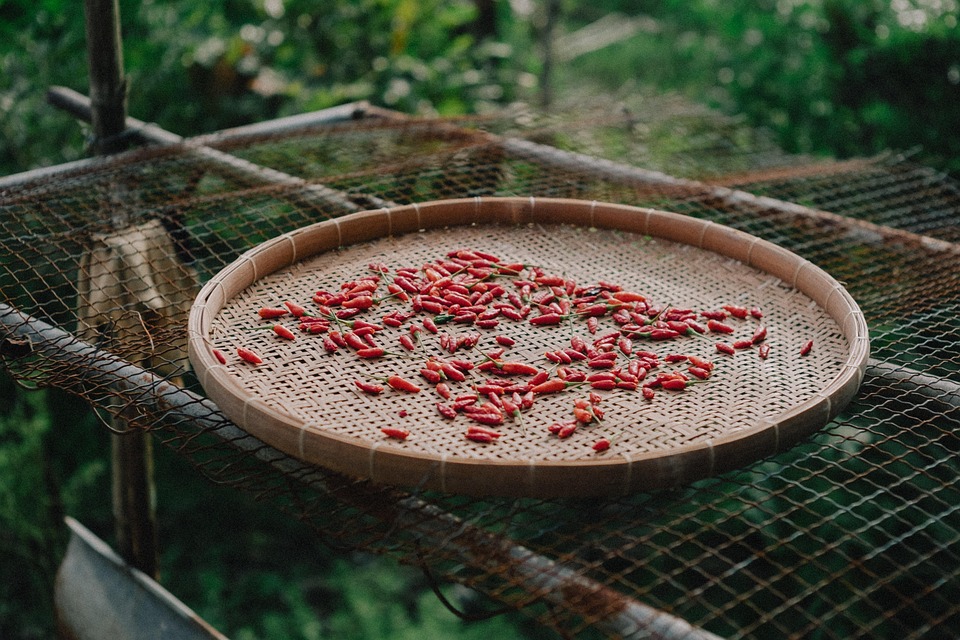
Chocolate, derived from the seeds of the cacao tree (Theobroma cacao), has a history that dates back over three millennia. Its origins trace back to ancient Mesoamerican cultures, where cacao was revered as a sacred ingredient used in ceremonies and social gatherings. The Aztecs and Mayans prepared a bitter drink called “xocolatl,” spiced with chili and vanilla, contrasting sharply with the sweet indulgence we enjoy today.
As chocolate made its way to Europe in the 16th century, sugar was introduced, transforming it into the sweet delight we recognize now. By the 19th century, advancements in manufacturing made chocolate more accessible, setting the stage for the gourmet chocolate movement that would emerge in the 20th century.
What Defines Gourmet Chocolate?
Gourmet chocolate is characterized not only by its rich flavor but also by its high-quality ingredients and meticulous production methods. Typically, gourmet chocolates are crafted from fine-grade cocoa beans, which are sourced from specific regions known for their unique flavor profiles. This bean-to-bar ethos allows chocolatiers to control every aspect of production, ensuring an unparalleled taste experience.
Another hallmark of gourmet chocolate is its limited production. Artisan chocolatiers employ traditional techniques, often handcrafting each piece to achieve a perfect balance of texture and flavor. From smooth truffles to delicate bonbons, each creation is a testament to the chocolatier’s skill and artistry.
The Art of Bean-to-Bar
The bean-to-bar process is fundamental in the gourmet chocolate landscape. It includes several stages: fermentation, drying, roasting, winnowing, grinding, conching, and tempering. Each step significantly influences the final product’s flavor and texture.
Fermentation and Drying
After cacao pods are harvested, beans are fermented for several days, developing their rich flavor. Post-fermentation, the beans are dried under the sun to halt fermentation, preserving the chocolate’s distinctive flavor.
Roasting
Roasting takes place to bring out the chocolate oils, and the temperature and duration of roasting can vary, impacting the final flavor profile. Light roasting preserves fruitier notes, while darker roasting can enhance nutty or smoky undertones.
Grinding and Conching
During grinding, cocoa nibs are processed into chocolate liquor. Conching further refines this mixture, allowing cocoa solids and cocoa butter to blend seamlessly while enhancing flavor complexity. This process can range from a few hours to several days.
Tempering
Finally, tempering is crucial for achieving a glossy finish and snap in the chocolate. This technique involves carefully cooling and re-heating the chocolate to stabilize its structure.
Flavors and Textures: A Sensory Journey
The true magic of gourmet chocolate lies in its ability to engage the senses. Not only do these chocolates boast unique flavors, but they also offer an array of textures that can surprise and delight the palate.
Pairing with Other Ingredients
Gourmet chocolatiers often experiment with unusual flavor pairings. This exploration can include pairing dark chocolate with sea salt, herbs, exotic spices, or even savory ingredients like olive oil. Each combination invites a new tasting experience, showcasing the versatility of chocolate.
Textures
The texture of gourmet chocolates ranges from silky smooth to crunchy or creamy. Different creations might blend solid chocolate with creamy fillings, caramel, or crispy elements, transforming chocolate tasting into an adventure for the mouth.
The Future of Gourmet Chocolates
The gourmet chocolate market has seen a significant uptick in demand as consumers become increasingly aware of ethical sourcing and sustainability. Many chocolatiers prioritize fair trade practices, ensuring that cacao farmers are compensated fairly. This focus on ethical production will likely shape the future of gourmet chocolates, encouraging more artisans to source responsibly.
Furthermore, the rise of vegan and health-conscious options has led to innovative adaptations of traditional chocolate recipes. From using alternative sweeteners to crafting dairy-free chocolates, the landscape is rapidly evolving to meet diverse consumer preferences.
Conclusion: A Sweet Indulgence
In conclusion, gourmet chocolates are more than just a treat; they encapsulate a rich history, a dedication to quality, and a beautiful canvas for culinary artistry. As we delve deeper into the world of decadent delights, it becomes clear that each bite tells a story—of the earth, the climate, and the artisans who transform raw cacao into an unforgettable experience. Whether a sweet indulgence or a thoughtful gift, gourmet chocolate embodies the art of taste and the joy of indulgence.
- cakes
- chocolate desserts
- decadent desserts
- dessert baking
- dessert blog
- dessert creations
- dessert favorites
- dessert flavors
- dessert guide
- dessert hacks
- dessert highlights
- dessert ideas
- dessert inspiration
- dessert menu ideas
- dessert photography
- dessert plating
- dessert presentation
- dessert recipes
- dessert styling
- dessert tips
- dessert trends
- desserts & sweets
- frozen desserts
- fruit desserts
- healthy desserts
- homemade desserts
- ice cream desserts
- luxury desserts
- pastries
- quick desserts
- sweet treats




Leave a comment