















![Brewed Awakening: Your Ultimate Guide to the Best Cafés in [City]](https://cdn.pixabay.com/photo/2018/07/14/15/27/cafe-3537801_960_720.jpg "Brewed Awakening: Your Ultimate Guide to the Best Cafés in [City]")


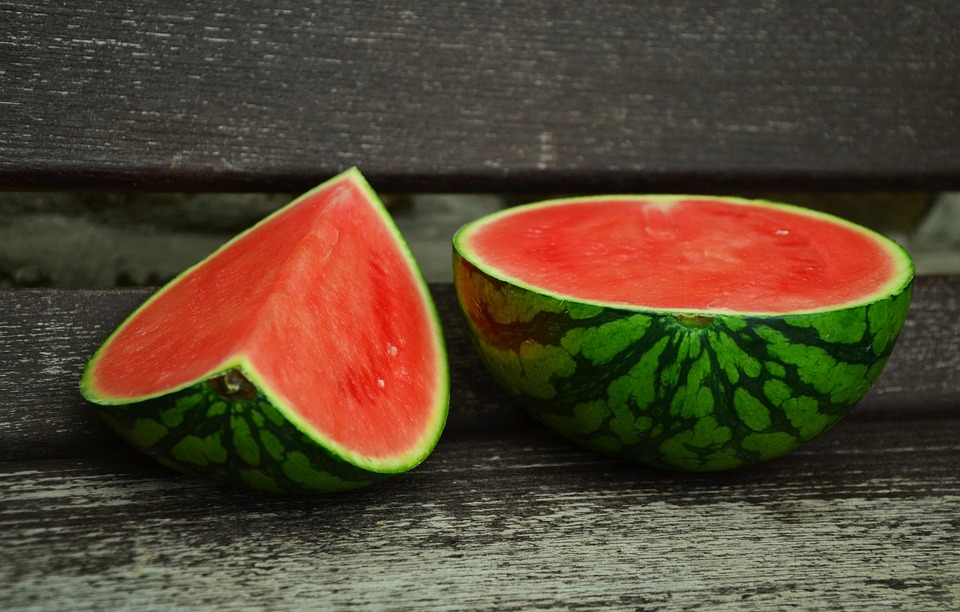
In an era where convenience often trumps nourishment, the significance of a balanced diet cannot be overstated. A balanced diet lays the foundation for optimal health, providing essential nutrients that sustain bodily functions and promote overall well-being. As we delve into the building blocks of health, it’s crucial to understand what constitutes a balanced diet and why it matters.
The Fundamentals of a Balanced Diet
A balanced diet is one that includes a variety of foods in the right proportions. This ensures that we receive all the necessary nutrients our bodies require to function efficiently. The primary components of a balanced diet include:
- Carbohydrates: These are the body’s main source of energy, found in foods like fruits, vegetables, and whole grains. Complex carbohydrates, such as whole grain bread and oatmeal, provide sustained energy, while simple carbohydrates, like sugars, offer quick bursts of energy.
- Proteins: Essential for growth and repair, proteins are comprised of amino acids. Foods such as meat, fish, dairy, legumes, and nuts are good sources. A balanced intake of protein supports muscle mass and overall structural integrity.
- Fats: Contrary to outdated beliefs, fats are vital for health. They aid in hormone production, nutrient absorption, and energy storage. Healthy fats, such as those found in avocados, nuts, and olive oil, are beneficial and should be included in moderation.
- Vitamins and Minerals: Essential for immune function, bone health, and energy production, vitamins and minerals can be abundant in fruits, vegetables, dairy, and whole grains. Each plays a unique role in maintaining health and preventing disease.
- Water: While not a nutrient per se, water is crucial for hydration and facilitates every bodily function, from digestion to temperature regulation.
Why a Balanced Diet Matters
Understanding the importance of a balanced diet extends beyond immediate physical appeal; it affects long-term health outcomes. Here are a few compelling reasons to prioritize a balanced diet:
1. Disease Prevention
A nutritious diet significantly lowers the risk of chronic diseases. Conditions such as heart disease, diabetes, and obesity are closely linked to dietary habits. For instance, diets high in saturated fats and sugars can lead to elevated cholesterol levels and weight gain. Conversely, diets rich in fruits, vegetables, and whole grains provide protective benefits against these ailments.
2. Mental Health Benefits
Physical health is intrinsically linked to mental well-being. Studies have shown that individuals who consume balanced diets report lower levels of anxiety and depression. Nutrients like omega-3 fatty acids—found in fish and flaxseeds—are known for their mood-stabilizing properties. A diet inclusive of varied nutrients can help regulate neurotransmitters, contributing to improved mood and cognitive function.
3. Weight Management
A balanced diet that includes adequate portions of nutrients can prevent weight gain and promote weight loss. By focusing on whole foods and minimizing processed options, individuals tend to consume fewer empty calories, leading to healthier body composition. Eating mindfully and maintaining proper portion sizes is key in achieving and maintaining a healthy weight.
Building a Balanced Plate
Creating a balanced diet doesn’t require drastic changes. Instead, small, manageable adjustments can have a substantial impact. Here are some tips for building a balanced plate:
- Embrace Variety: Aim for a colorful plate by incorporating a range of food groups. Each color represents different nutrients essential to health.
- Portion Control: Be aware of portion sizes. Use smaller plates or bowls to avoid overeating while ensuring you still enjoy your favorite foods.
- Whole Foods First: Focus on whole, minimally processed foods. Fresh fruits, vegetables, and whole grains should take precedence over snacks high in sugar and salt.
- Be Mindful: Eating mindfully—taking time to savor food and listen to hunger cues—can enhance the eating experience and prevent overeating.
Conclusion
A balanced diet is more than just a dietary guideline; it is an essential component of a healthy lifestyle. By understanding the building blocks of health, individuals can make informed choices that promote longevity, vitality, and overall well-being. Prioritizing a diverse range of nutrients lays the groundwork for a healthy body and mind. The path to health may begin on our plates, but its benefits extend into every facet of life.
In an age of processed foods and quick fixes, let us not forget the profound impact of nourishing our bodies with a balanced diet. With knowledge and intention, we can build a healthier future, one meal at a time.
- balanced diet
- clean eating
- diet trends
- fitness meals
- healthy breakfast ideas
- healthy cooking tips
- healthy diet plans
- healthy dinner ideas
- healthy eating
- healthy eating habits
- healthy eating tips
- healthy eats
- healthy food guide
- healthy food inspiration
- healthy food trends
- healthy lifestyle
- healthy lunch ideas
- healthy meal ideas
- healthy recipes
- healthy snacks
- low-calorie recipes
- meal prep ideas
- nutrition tips
- nutritious meals
- plant-based recipes
- superfood recipes
- wellness meals
- wellness recipes
- whole food recipes
- wholesome recipes





Leave a comment