













![Brewed Awakening: Your Ultimate Guide to the Best Cafés in [City]](https://cdn.pixabay.com/photo/2018/07/14/15/27/cafe-3537801_960_720.jpg "Brewed Awakening: Your Ultimate Guide to the Best Cafés in [City]")


In an age where fast food and convenience often take precedence over nutritional value, understanding how to properly nourish your body is critical. With a wealth of information available, it might be overwhelming to sift through various diets, trends, and nutritional advice. This article highlights ten essential nutrition tips that can guide you toward a healthier lifestyle, enabling you to make informed choices for your diet.
1. Prioritize Whole Foods
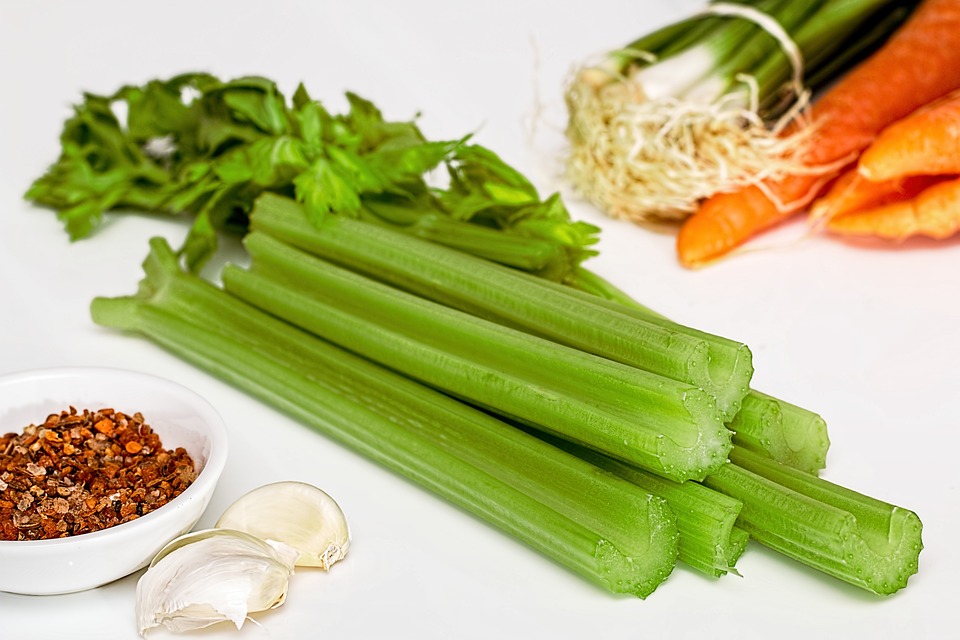
The foundation of any healthy diet should be whole foods—those that are in their natural state and minimally processed. Fresh fruits, vegetables, whole grains, lean proteins, and healthy fats provide your body with the necessary nutrients for optimal functioning.
Whole foods are generally rich in vitamins, minerals, and antioxidants, which play a key role in fighting inflammation and reducing the risk of chronic diseases. Aim to fill half your plate with fruits and vegetables at every meal to maximize nutrient intake.
2. Balance Your Plate
Understanding macronutrients—carbohydrates, proteins, and fats—is crucial for a balanced diet. Each macronutrient serves unique purposes in the body, and finding the right balance is essential.
- Carbohydrates: Aim for complex carbs such as whole grains, legumes, and starchy vegetables. They are a primary source of energy.
- Proteins: Incorporate lean protein sources such as poultry, fish, beans, and nuts to support muscle growth and repair.
- Fats: Opt for healthy fats like avocados, olive oil, and nuts, which are vital for hormone production and brain health.
3. Stay Hydrated
Water is the elixir of life. Yet, so many people neglect to drink enough of it daily. Hydration is vital for every cell in your body and impacts everything from energy levels to cognitive function.
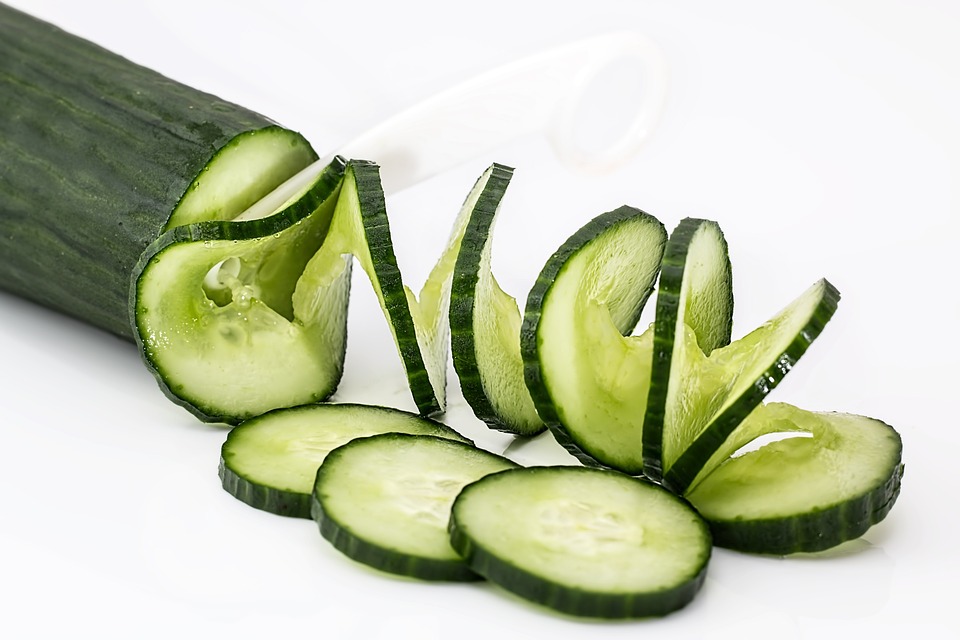
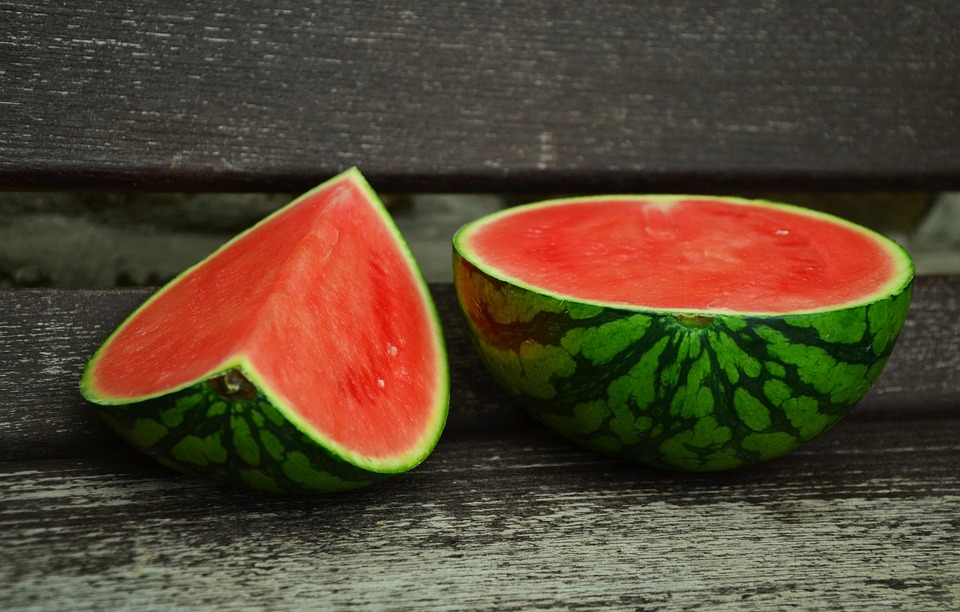
While individual water needs vary, a common guideline is to drink at least eight 8-ounce glasses (about 2 liters) per day. Incorporating hydrating foods such as cucumbers, watermelon, and oranges can also boost your water intake.
4. Mind Portion Sizes
In today’s fast-paced world, large portion sizes can lead to overeating. Practicing mindful eating can help you become more aware of what—and how much—you’re eating.
Use smaller plates, listen to your body’s hunger cues, and take time to savor your meals. This mindfulness can prevent unnecessary calorie intake and help you appreciate the flavors and textures of your food, making each bite more enjoyable.
5. Plan Your Meals
Meal planning can be a game-changer when it comes to nutritious eating. By preparing meals in advance, you’re less likely to succumb to unhealthy convenience foods.
Set aside time each week to plan your meals and create a shopping list. Focus on incorporating a variety of ingredients to ensure you’re receiving a well-rounded diet. Prepping meals can also save you time and money over the long term.
6. Limit Added Sugars and Processed Foods
Many packaged and processed foods contain hidden sugars, contributing to weight gain, instability in energy levels, and increased risk of chronic diseases.
Reading labels is crucial; aim for products that have minimal added sugars and ingredients you can recognize. The American Heart Association recommends no more than 6 teaspoons of added sugar per day for women and 9 teaspoons for men. Try to satisfy your sweet tooth with fruits instead of sugary treats.
7. Include More Fiber
Fiber is essential for digestive health, helping maintain bowel regularity and keeping you feeling full longer. Foods rich in fiber also support a healthy gut microbiome, which is linked to various aspects of overall health.
Incorporate foods like whole grains, legumes, fruits, and vegetables into your diet. Aim for at least 25 grams of fiber per day for women and 38 grams for men.
8. Don’t Skip Breakfast
Breakfast is often referred to as the most important meal of the day, and for a good reason. A nutritious breakfast can kick-start your metabolism and provide you with the energy needed to tackle your day.
Choose a breakfast rich in protein and fiber, such as oatmeal topped with nuts and fruit, or a smoothie loaded with greens and yogurt. A balanced breakfast can improve focus and concentration, making for a productive morning.
9. Incorporate Healthy Snacks
Snacking can be beneficial if done correctly. Healthy snacks can help manage hunger between meals and maintain energy levels.
Choose nutrient-dense snacks, such as fresh fruit, yogurt, nuts, or whole-grain crackers with hummus. Avoid reaching for processed snacks high in sugar and unhealthy fats that may lead to energy crashes.
10. Listen to Your Body
The most important aspect of nutrition is understanding your body’s unique needs. Everyone’s dietary requirements are different, influenced by age, gender, activity level, and health conditions. Pay attention to how different foods make you feel, and don’t be afraid to adjust your diet accordingly.
Additionally, consider seeking advice from a registered dietitian who can offer personalized nutrition guidance tailored to your lifestyle.
Ultimately, nourishing your body with the right foods sets the foundation for a vibrant, healthy life. By incorporating these ten essential nutrition tips into your routine, you can create a balanced approach to eating that not only fuels your body but also enhances your overall well-being.
- balanced diet
- clean eating
- diet trends
- fitness meals
- healthy breakfast ideas
- healthy cooking tips
- healthy diet plans
- healthy dinner ideas
- healthy eating
- healthy eating habits
- healthy eating tips
- healthy eats
- healthy food guide
- healthy food inspiration
- healthy food trends
- healthy lifestyle
- healthy lunch ideas
- healthy meal ideas
- healthy recipes
- healthy snacks
- low-calorie recipes
- meal prep ideas
- nutrition tips
- nutritious meals
- plant-based recipes
- superfood recipes
- wellness meals
- wellness recipes
- whole food recipes
- wholesome recipes







Leave a comment